Saltar al contenido
Puttutu Expediciones
Santiago del Nuevo Extremo, a walk through the capital's living history
See all expeditions
Moderate

Santiago del Nuevo Extremo, a walk through the capital's living history

Santiago del Extremo is a walking journey through the capital's living history: from the heights of Parque Metropolitano to the historic center, heritage neighborhoods, the Museo Precolombino and a wine cellar in Barrio Italia. A journey that reveals the Santiago few ever get to know.

Gallery

Description

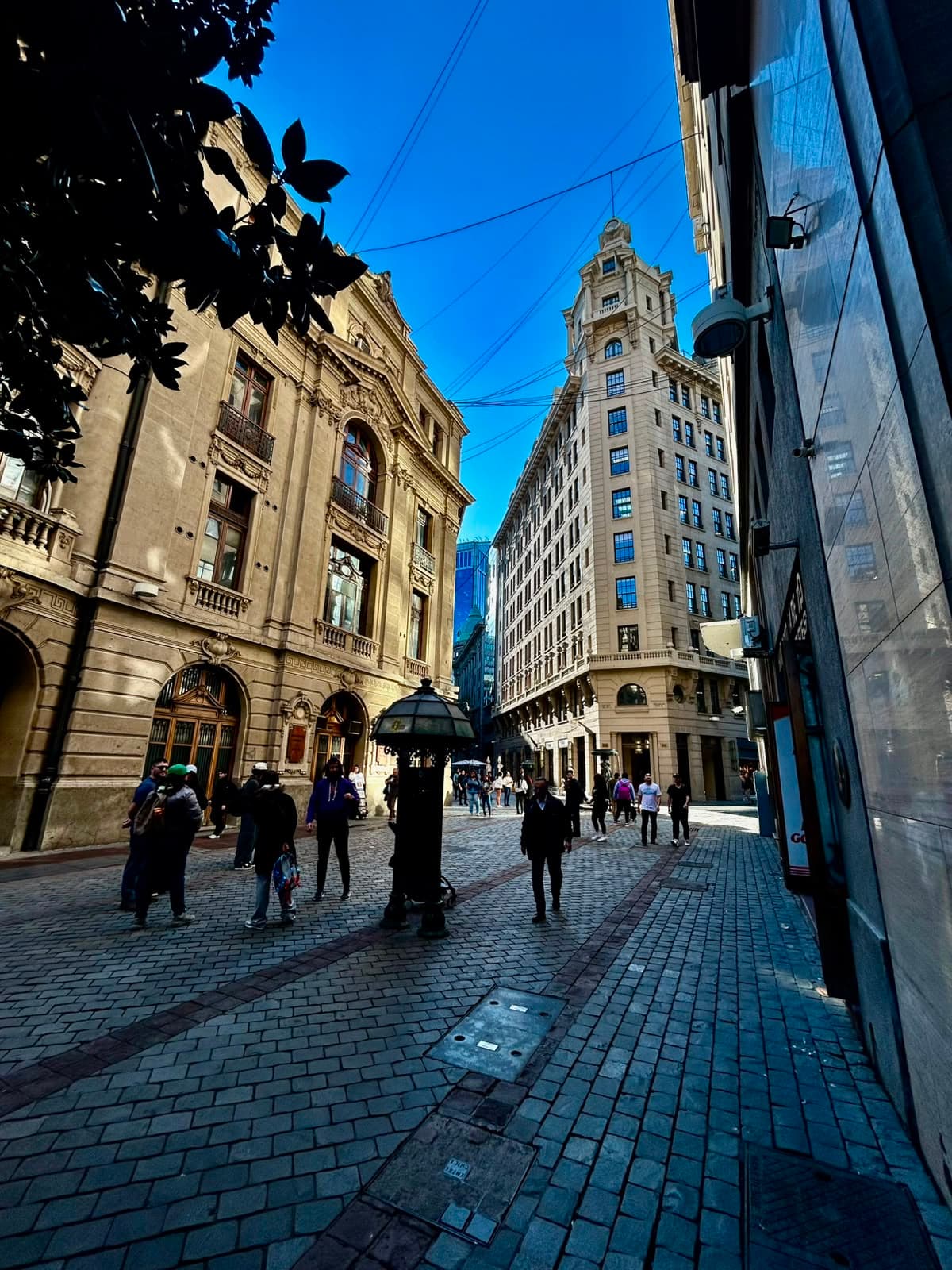
Santiago is far more than the capital of Chile. It is a city built on thousands of years of history, where ancient indigenous trails, the expansion of the Inca Empire, the Spanish founding and the contemporary city all coexist within a single landscape. Santiago del Extremo invites you to discover that layering of eras from a different perspective, walking through emblematic sites and corners that usually fall outside the traditional tourist circuits. The experience begins in Pedro de Valdivia Norte, where we ride the cable car up through Parque Metropolitano to the summit of Cerro San Cristóbal. From there, the city unfolds in all its magnitude, revealing how the Mapocho valley has been a strategic meeting point between the mountains and the coast since pre-Hispanic times. We continue on to the sanctuary of the Virgin and descend on the historic funicular, a true piece of Santiago's urban heritage. From there we make our way into the vibrant Bellavista neighborhood, where art, architecture and bohemian life mingle with history. Along the way we take in the surroundings of Pablo Neruda's house, old heritage mansions and spaces that have shaped the city's cultural life for more than a century. From Bellavista we cross into Parque Forestal, one of Santiago's great green lungs, passing the historic Law School of the Universidad de Chile. Walking among century-old trees, we reach the Lastarria neighborhood, home to cafés, bookshops, galleries and buildings that reflect the city's intellectual and artistic spirit. The route continues to Cerro Huelén, known today as Santa Lucía, a place of enormous importance long before the arrival of the Spanish. From this natural promontory it's possible to grasp Santiago's geographic origins and its deep connection to the peoples who inhabited the valley thousands of years before the colonial founding. We head down to the Bellas Artes neighborhood for a culinary pause at a traditional Spanish restaurant, sharing a selection of tapas that connects us to one of the cultural legacies that shaped the city. The route carries on to Plaza de Armas, Santiago's historic heart since the sixteenth century, before visiting the extraordinary Museo Chileno de Arte Precolombino, one of the most important spaces in the Americas for understanding the continent's cultural diversity before the arrival of the Europeans. Along the way we also stop at a classic Rápido eatery, a Santiago institution woven into the everyday memory of several generations. The journey concludes in Barrio Italia, one of the city's most interesting creative districts today. There, in a specialized wine cellar, we share a tasting of select Chilean wines that puts the finishing touch on an experience where history, heritage, gastronomy, landscape and contemporary culture come together in a single journey. Santiago del Extremo is designed both for those with only a few hours to discover the city and for those who want to understand it in depth. More than a city tour, it is a reading of the territory that reveals the many layers that built Santiago: from the valley's earliest inhabitants to the creative, innovative metropolis that today looks toward the future without losing sight of its past.

Itinerary

Day1

Santiago to the Extreme

1. Meeting point and entrance to the Metropolitan Park We meet at Pedro de Valdivia and Providencia and set off on foot toward the entrance to Santiago's Metropolitan Park. From here we begin the climb toward San Cristóbal Hill. Optional: a visit to the Japanese Garden, one of the park's most special corners. 2. Cable car and San Cristóbal Hill We take Santiago's cable car up along the hillside for one of the best panoramic views of the city. We reach the summit of San Cristóbal Hill, where we pause to take in Santiago from above. And, of course, a Chilean classic follows: mote con huesillo. 3. Funicular ride down and the Bellavista neighborhood We descend the hill on Santiago's funicular and enter the traditional Bellavista neighborhood. We walk through its streets, architecture and iconic corners, passing the outside of La Chascona, Pablo Neruda's house, and getting a feel for the neighborhood's bohemian, artistic identity. From Bellavista we continue on toward Parque Forestal. 4. Parque Forestal and the Lastarria district We cross Parque Forestal and reach the Lastarria district, one of the most interesting neighborhoods in contemporary Santiago. We stroll past its cafés, bookshops, architecture and cultural spaces, a bridge between traditional Santiago and the city of today. 5. Huelén Hill / Santa Lucía From Lastarria we head to Huelén Hill, known today as Santa Lucía Hill. This small hill is one of the essential places for understanding the history of Santiago. We walk its paths, terraces and lookouts, uncovering the different historical layers found here. Among them, the history of astronomical observation in Santiago and the site of the old National Astronomical Observatory. 6. Bellas Artes: the first vituperio We descend once more toward downtown and arrive at the Bellas Artes neighborhood. Here we make our first food stop, at a Spanish restaurant: a small vituperio to share a cañita, a tortilla and a few tapas. A moment to rest, talk and gather strength before continuing toward the historic heart of Santiago. 7. Plaza de Armas: pre-Hispanic, colonial and present-day Santiago We keep walking toward Plaza de Armas, the city's historic center. Here we stop to uncover the different layers of Santiago: from its pre-Hispanic roots and the indigenous presence of old, to the colonial founding and the square's transformation into the city's political, religious and social heart. 8. Chilean Museum of Pre-Columbian Art From Plaza de Armas we head to the Chilean Museum of Pre-Columbian Art, home to an extraordinary collection that reveals the cultural diversity of the peoples who inhabited the Americas before the arrival of the Europeans. An essential stop that links present-day Santiago with the continent's deep history. 9. El Rápido: a Santiago classic After the visit, we stop at a true classic of downtown Santiago: El Rápido. Here we can try a consomé or a few empanaditas, a simple experience that feels truly local. 10. Constitution Square and La Moneda We continue on toward La Moneda Palace and Constitution Square. We walk around the palace and the La Moneda Cultural Center, getting closer to Chile's political and contemporary history in one of the city's most important spaces. 11. Van ride to the Italia neighborhood From downtown we take our private van to the Italia neighborhood. The change of scenery is part of the experience: we leave the historic center behind and head to one of the most creative, food-driven and cultural neighborhoods in Santiago today. 12. Italia neighborhood: wines of Chile We wrap up our tour at La Cava, in the Italia neighborhood, with a tasting of Chilean wines. A moment to share, talk and close out the day around Chilean wine culture and cuisine. 13. Return Once the tasting wraps up, our van takes us back to the original meeting point, at Pedro de Valdivia and Providencia.
What's included?

Incluido

  • Entrance fees, specified meals, transportation and a personalized guide

No incluido

  • Lunches, alcohol, transportation to and from hotels, accident insurance

Frequently asked questions

How long does it last?
Between 4 and 5 hours
How much walking is involved?
About 4 to 5 hours

Other expeditions

Discover more one of a kind journeys

Kingdoms of the North: Cities of ClayEasy5D / 4N

Kingdoms of the North: Cities of Clay

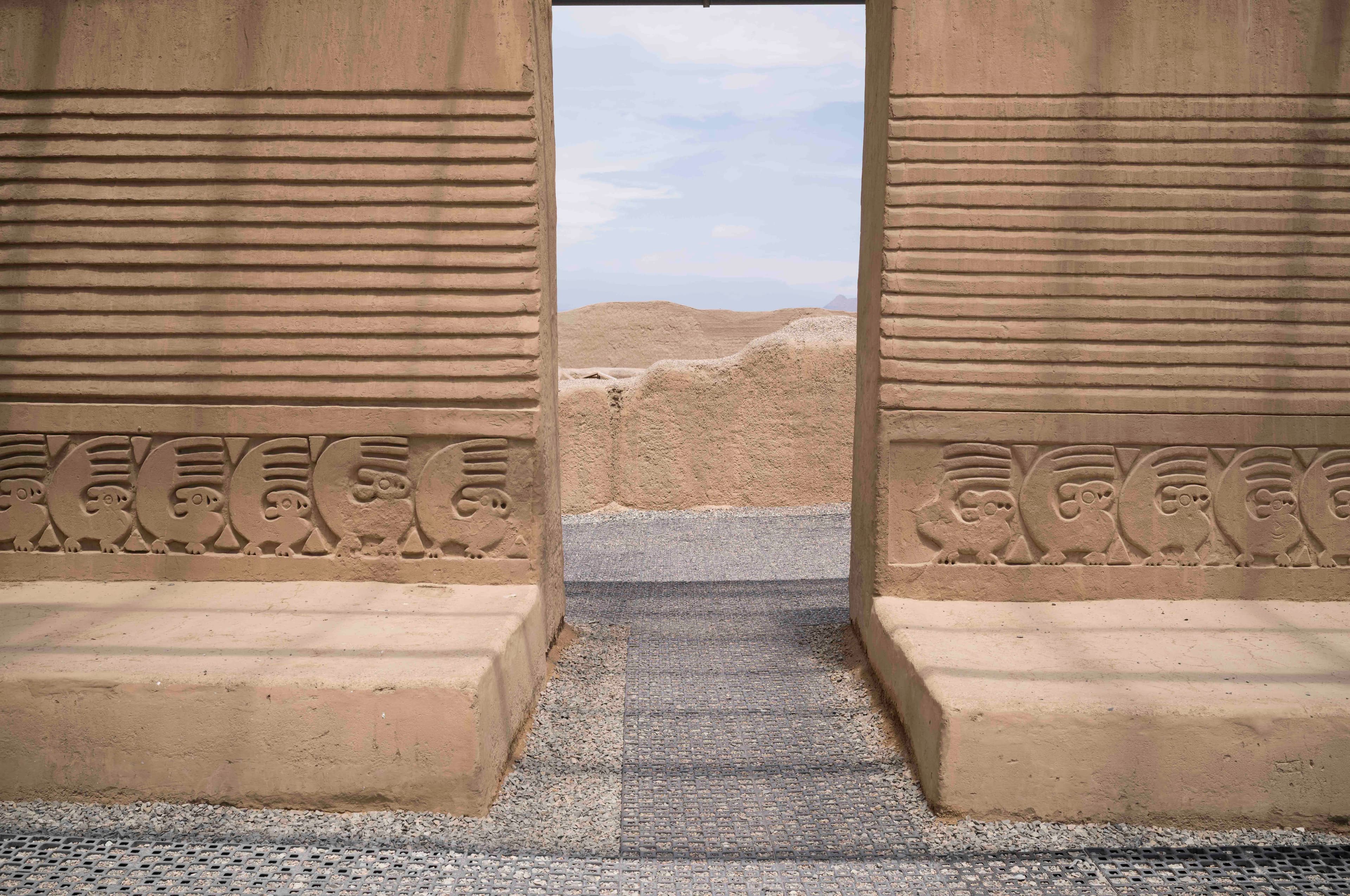
Kingdoms of the North: Cities of Clay A journey through the legacy of the Mochica, Chimú and Lambayeque cultures. Exploring cities of clay, ceremonial temples and living traditions. A Puttutu experience where archaeology, landscape and ancestral memory come together to reveal the deep history of northern Peru.

10 people
From

USD 1,437

View details
Deep Peru, an immersive expeditionModerate7D / 6NNext: 11 de octubre de 2026

Deep Peru, an immersive expedition

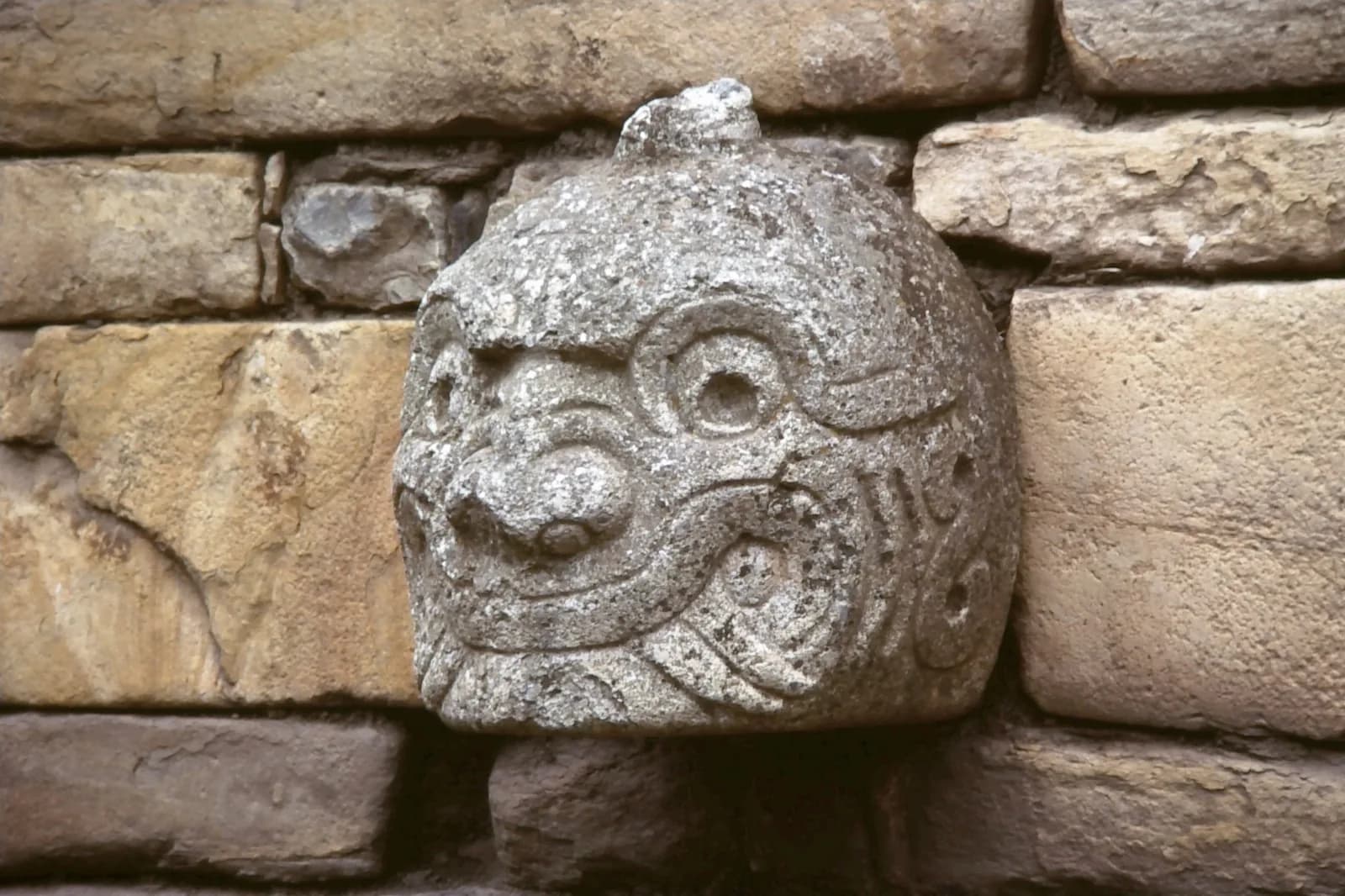
A 10-day immersion in the living roots of the Andean world: Caral, Chavín de Huántar, Hatún Machay, Chacas and Laguna Parón, with expert guidance in archaeology and ethnomusicology.

12 people12 spots
From

USD 2,328

View details
Archaeoceramics Residency: Heritage, Matter and LanguageEasy8D / 7N

Archaeoceramics Residency: Heritage, Matter and Language

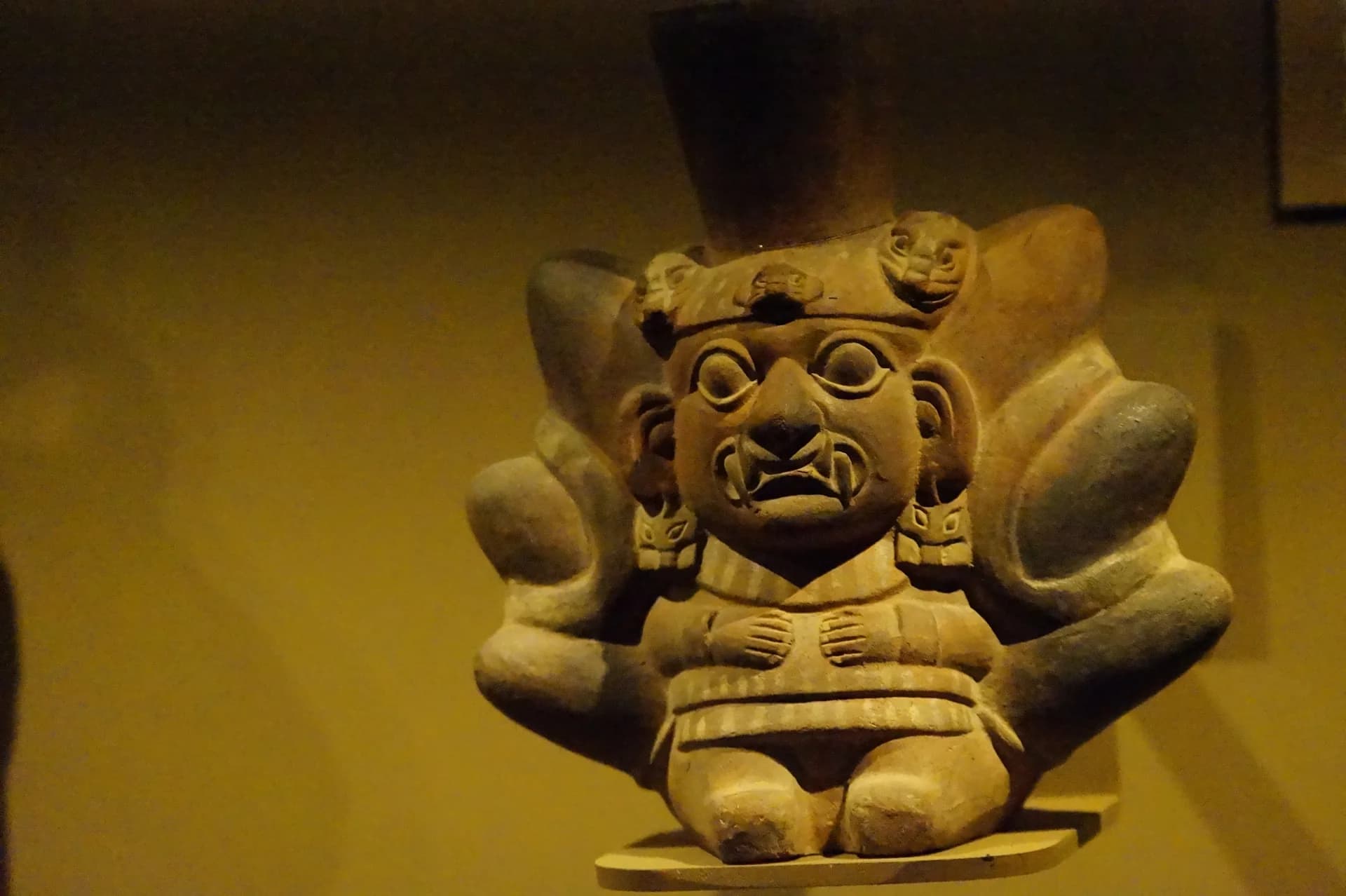
An 8-day residency exploring the ancestral ceramics of the Callejón de Conchucos alongside the last remaining keepers of traditional pottery knowledge, with mentorship from archaeologist and ceramicist Mirko Brito.

10 people
From

USD 1,930

View details
Documentary Photography Residency in PeruModerate7D / 6N

Documentary Photography Residency in Peru

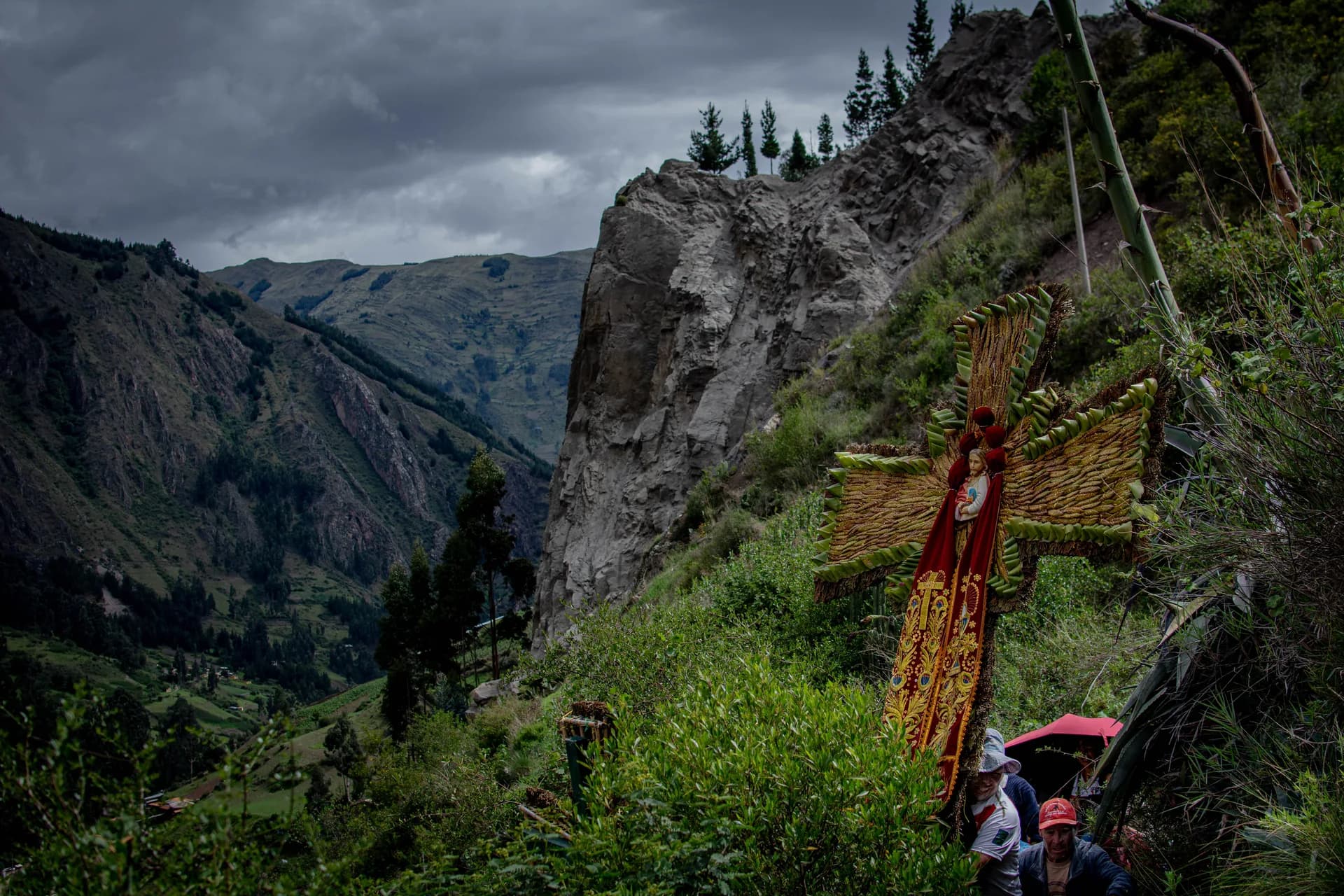
A 6-day documentary immersion in the Fiesta Patronal de San Miguel de Chinchurajra, one of the most intense festivities in the Callejón de Conchucos, with mentorship from photographer Tomás Munita.

12 people
From

USD 1,625

View details